ChartRequest is Proudly Partnered With


What is a health information handler and how do they affect your insurance company?
Did you know that the healthcare industry accounts for approximately 30% of the world’s data volume? Organizing and managing even a fraction of this volume is a daunting task.
That’s why health information handlers (HIH) are the backbone of medical records systems. They diligently manage and protect patient data, ensuring that doctors and nurses have the accurate information they need at their fingertips. It’s a big job—juggling privacy laws and complex medical histories—but healthcare would hardly be as efficient or safe without these experts.
So, what is it about HIHs that makes them so important?
Imagine a world where doctors don’t have the medical records they need before a major surgery. It’s a scary thought, and health information handlers work hard to prevent these situations.
Let’s dive into the world of health information handlers and explore what HIHs do, why they’re important, and how they handle the massive responsibility of managing personal health information.
What is a Health Information Handler (HIH)?
Let’s peel back the curtain and get to know what health information handlers (HIHs) do.
Think of HIHs as the guardians of your most personal data — your Protected Health Information (PHI). Whether updating your chart after a checkup or securing the data from visits to the doctor, HIHs ensure everything’s in tip-top shape.
Let’s break down what HIHs do into simpler parts.
Managing Patient Health Information
Hospitals produce an average of 50 petabytes of data each year, which equates to roughly 137 terabytes per day.Most of that data are health records.
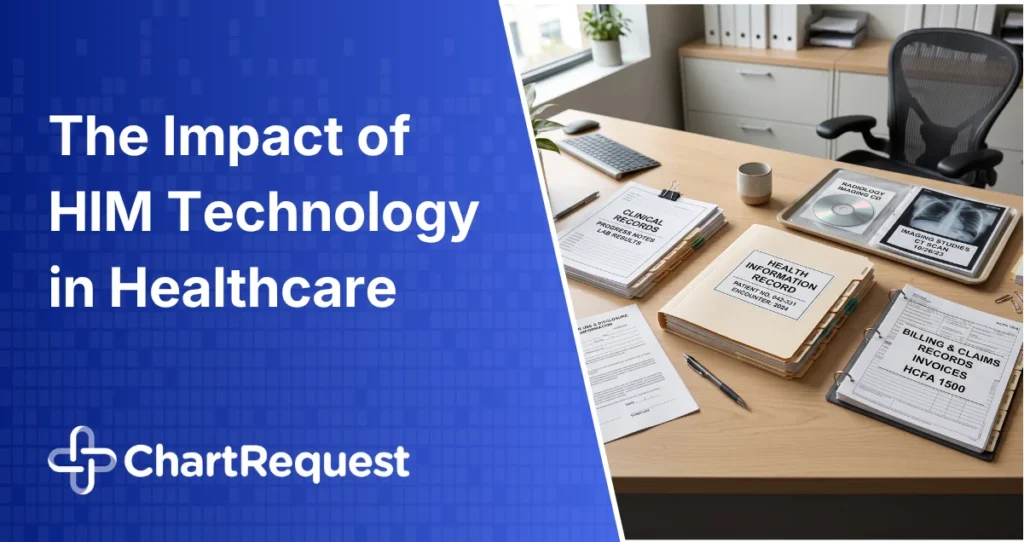
HIHs take care of all the details in medical records. This means they keep track of everything from doctor’s notes to test results. They organize this information to make it easy for healthcare providers to find what they need.
Ensuring Compliance with Healthcare Regulations
There are a lot of rules in healthcare to protect patients. HIHs make sure that the way information is meets all these rules. This includes HIPAA compliance, which keeps health information private and secure. HIHs are the experts who navigate these laws to ensure healthcare organizations honor every patient’s right of access and privacy.
Facilitating Secure Data Exchange Between Entities
Sometimes, health information needs to be shared, like when a patient is referred to a specialist or they need to go to the hospital. HIHs make this sharing process, also called the Release of Information, smooth and secure. They use special systems to send medical records where they need to go without risking the patient’s privacy.
It’s like sending a secured, locked package that only the right person can open.
Importance of HIHs in Maintaining Data Integrity and Privacy
The role of HIHs is rooted in trust because they handle health records. Every time a patient visits a healthcare provider, they trust them with sensitive information about their health.
HIHs ensure that this trust is never broken. They work hard to maintain the accuracy and privacy of patient information, which is key to good healthcare. In a nutshell, health information handlers are essential in managing, protecting, and sharing health information.
They ensure that your medical records are accurate, your privacy is protected, and your healthcare providers can communicate effectively.
The Evolution of Health Information Handling
The way we manage health information has changed a lot over time. Let’s take a look at how things have evolved:
- From Paper to Digital: Not too long ago, health information handlers kept medical records on paper, which made it harder to find and share information. Now, most records are digital, making everything faster and more secure.
- The Role of Technology: Technology has changed the job of health information handlers (HIHs). With computers and the internet, they can manage huge amounts of information more efficiently than ever before.
- Electronic Health Records (EHRs): EHRs are a big deal in healthcare now. They let doctors see your health history with just a few clicks. About 89% of physicians use EHRs because they make it easier to track patient care.
- Data Privacy Laws: Laws like HIPAA protect digital and paper records and all other PHI.
- Telemedicine: With telemedicine, patients can talk to doctors over the computer. This means health information needs to be shared over the internet, which is a new challenge for HIHs.
- Artificial Intelligence (AI): AI is starting to help manage health information by organizing records and even helping to predict health issues before they happen.
- Wearable Health Devices: More people are using devices like smartwatches to track their health. This creates even more health data that needs to be managed carefully.
The way we handle health information is always changing, thanks to new technology. HIHs have to keep learning and adapting to make sure patient information is handled safely and effectively, making healthcare better for everyone.
Compliance and Regulations HIHs Follow
Navigating through the healthcare regulatory sea is no easy feat for an HIH, but they do it with skill every day.
Now, let’s talk about the big players in the compliance game: the HIPAA and HITECH Acts.
HIPAA 101
Have you ever wondered how your personal health information stays private when you visit the doctor? That’s all thanks to the Health Insurance Portability and Accountability Act (HIPAA) of 1996. It’s like a privacy shield for your health details, ensuring they don’t end up in the wrong hands.
Sky-high overview of what HIPAA does:
- Keeps health info under wraps: Only those who absolutely need to know your health details get to see them.
- Gives owners access rights: Patients can peek into their own medical records, ask for changes, and know who else has checked them out.
- Limits info sharing: Only the minimum information necessary is shared for tasks like billing or healthcare operations.
HITECH
Then there’s theHealth Information Technology for Economic and Clinical Health (HITECH) Act. You can think of HITECH as the techie sidekick to HIPAA—it boosts the use of electronic health records (EHRs) and strengthens privacy and security laws.
HITECH’s highlights include:
- Encouraging digital records: It motivates healthcare providers to switch to EHRs with incentives.
- Extra protection: Amps up the penalties if someone doesn’t play by the HIPAA rules.
- Breach notifications: If there’s an “oops” moment and health info gets exposed, you’re going to hear about it — thanks to the Breach Notification Rule.
How HIHs Ensure Compliance
- Understanding the Laws: HIHs have to know these laws inside and out. They need to understand what’s allowed and what’s not when handling your health information.
- Training and Policies: HIHs help create rules and train other healthcare workers on how to handle patient information correctly. They make sure everyone knows how to keep your information safe.
- Regular Checks: HIHs also check to make sure everyone is following the rules. They do audits and reviews to catch any mistakes and fix them before they become a big problem.
There you have it—a snapshot of the complex world of regulations that HIHs are swimming in.
The Challenges Faced by Health Information Handlers
Life as a health information handler (HIH) isn’t just about keeping patient records in check—it’s a complex dance between safeguarding sensitive information and juggling ever-changing regulations.
Healthcare is evolving at a breakneck pace, which brings a few hefty obstacles to the table:
- Interoperability Issues: Imagine trying to have a conversation where everyone speaks a different language; that’s what HIHs face with interoperability issues between EMR systems. Mismatched formats and incompatible systems can lead to delays that can compromise the accuracy of patient care.
- Data Security Challenges: Protecting patient information is paramount, and with cyber threats lurk around every corner. HIHs have to constantly update their aka security protocols to fend off any invasions that could spill the beans on your private health details.
- Patient Information Management: If you’ve ever tried to organize a lifetime’s worth of photos, you’ll understand the mammoth task HIHs face in organizing medical records. Every piece of information needs to be accurate, accessible, and neatly filed away.
- Regulatory Compliance Difficulties: Staying on top of healthcare regulations is akin to mastering a never-ending rulebook. Federal entities occasionally update laws like HIPAA and HITECH, and HIHs must be quick to adapt. Failing to keep up isn’t an option, as even a minor misstep could lead to hefty fines or, worse, put patient privacy at risk.
These challenges are headaches for HIHs that can impact the quality and efficiency of healthcare delivery. If health information handlers don’t share data correctly:
- Doctors might miss a critical piece of information,
- Successful cyber threat can undermine the entire healthcare system’s integrity,
- Regulatory noncompliance could impose serious consequences onto the organization.
Enhancing Efficiency in Health Information Handling with ChartRequest
So, you’ve heard of the hurdles HIHs face with compliance, interoperability, and those pesky cyber threats, right? Enter ChartRequest. This platform is like an efficiency powerhouse for health information handlers (HIHs), leveling up the game in keeping patient data safe, sound, and super organized.
Let’s break down how ChartRequest turns those frowns upside down for HIHs:
- Secure Data Exchange: Imagine sending a top-secret message that only the intended recipient can decode. That’s the kind of security we’re talking about. ChartRequest uses military-grade security measures to protect patient information at rest and in transit.
- Efficient Record Handling and Retrieval: Think about the last time you went hunting for your car keys in a rush. Fun, right? Not really. Now, ChartRequest makes digging up medical records that easy – a few clicks and boom, you’ve got what you need.
- Compliance and Data Protection Features: ChartRequest is constantly compliant with all important health information privacy laws, like HIPAA. This helps HIHs make sure they’re doing everything by the book, keeping patient information safe and secure.
ChartRequest is the trusty sidekick every HIH wishes they had from the get-go.
Transform Your HIH Workflow: Discover ChartRequest’s Solutions
health information handlers (HIHs) keep health information safe and well-managed. They make sure doctors have the medical records they need to take care of patients, and they keep the private details private. But their job isn’t easy, with all the rules they have to follow and the tons of information they handle every day.
That’s why ChartRequest is here. We are the super tool that helps HIHs work smoother and safer. We facilitate secure health records sharing, find information quickly, and make sure the ROI process runs smoothly. It’s all about making things better for patients and easier for healthcare workers.
Curious how ChartRequest can simplify your life whether you work with health information handlers or are an HIH? Set up a brief consultation to learn what we can do for your insurance, legal, or healthcare organization.
Facebook
Twitter
LinkedIn
Stay Updated
100% Privacy. No spam guaranteed.